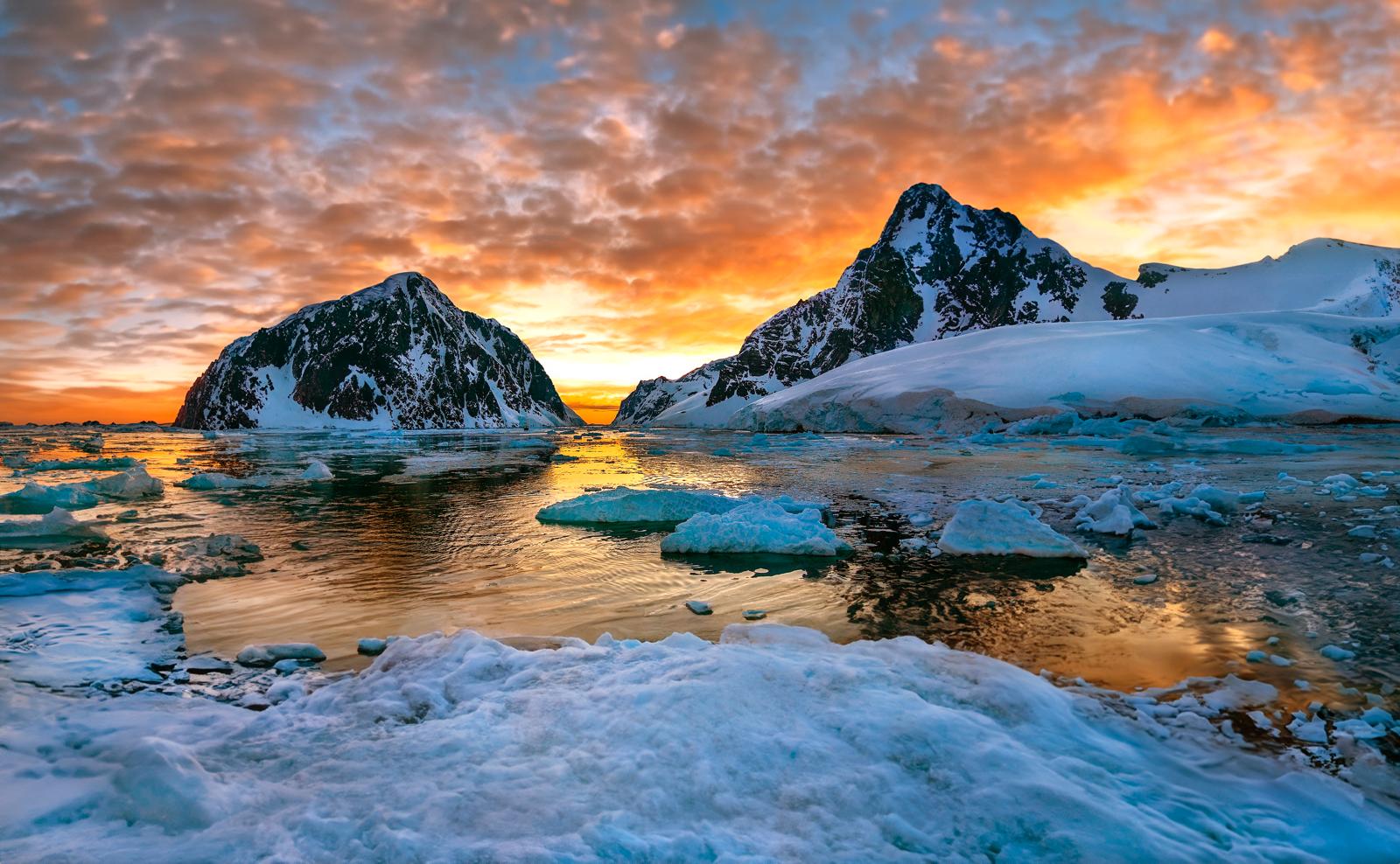
Swiss Ice Swimmers Prepare for
Historic Antarctic Challenge
28 February 2026 - 11 March 2026
Antarctica Has Been
Calling Me for 16 Years
by Toni Enderli
Some dreams don’t arrive loudly.
They don’t demand attention or instant action.
They sit quietly in the background — a steady pull you feel through years of training, cold mornings, long swims, and moments of doubt.
For me, Antarctica has been that dream.
And now, after sixteen years, it’s finally time.
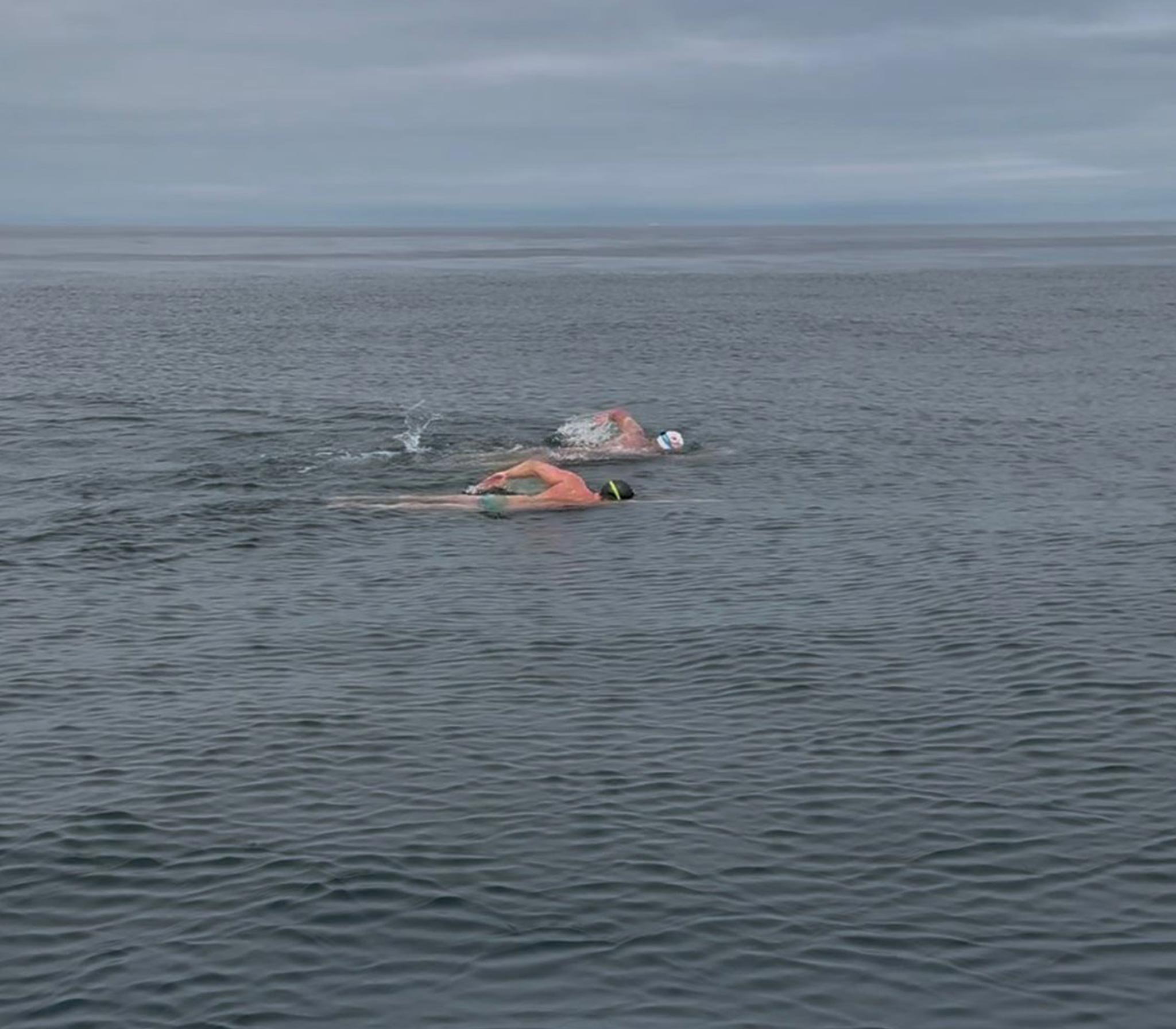
In February–March 2026, I will swim one kilometre in Antarctic waters at around –2°C, alongside fellow Swiss swimmer Markus Marthaler, who will attempt the 1-mile distance. Together, we hope to become the first Swiss athletes to complete these swims under official Antarctic ice-swimming conditions.
Antartica
February–March 2026
TBC
1km
-2°C
Goal to be the 1st Swiss
CREW: Antarctica Ice Swimming Adventure
Swiss endurance swimmers Toni Enderli and Markus Marthaler are preparing for a groundbreaking ice swim in the waters of Antarctica in February–March 2026, where sea temperatures are expected to reach –2°C.
Enderli will attempt a 1-kilometer swim, while Marthaler will undertake a 1-mile (1.609 km) swim — both representing Swiss firsts under official Antarctic ice-swimming conditions.
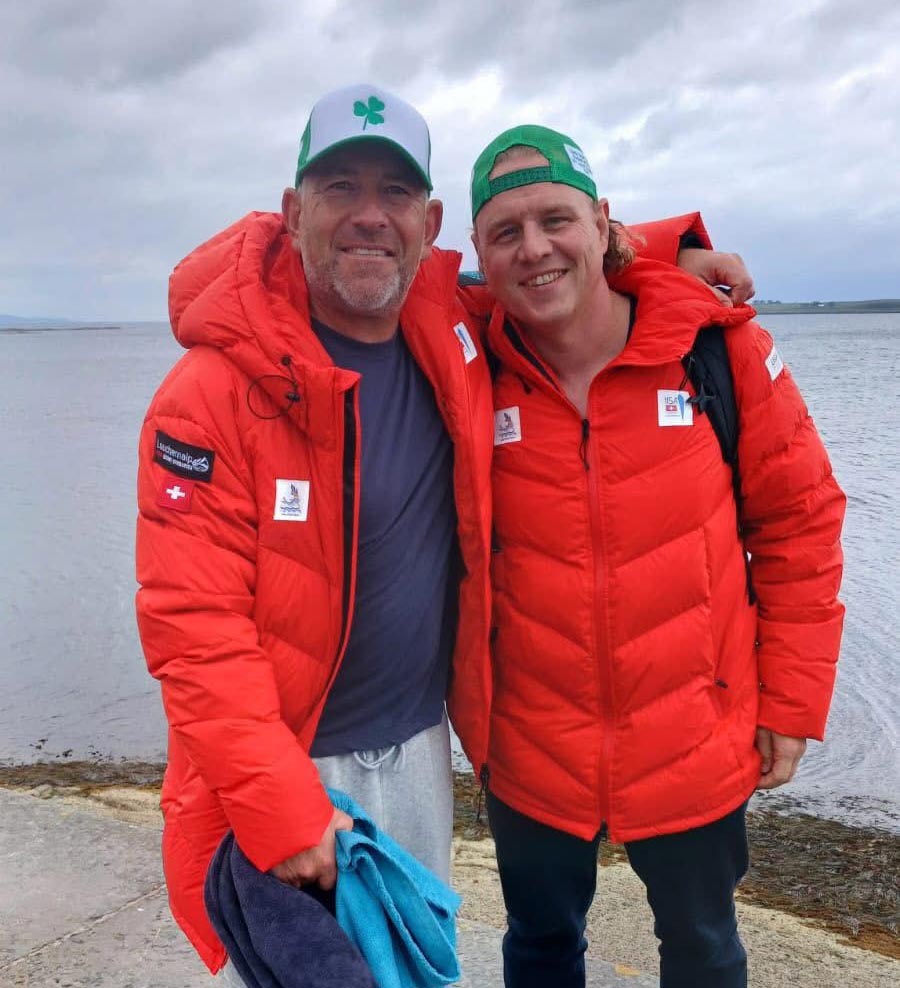
Where the Dream Began
My journey into cold water didn’t start with Antarctica. It started with curiosity — how the body reacts to cold, how the mind adapts, and how resilience grows through exposure and experience.
Over time, that curiosity became passion.
Passion became discipline.
And discipline slowly turned into a vision: one day swimming in the coldest, most remote waters on Earth.
Along the way, I’ve been fortunate to learn from incredible figures in open-water swimming. Athletes like Lewis Pugh, Kieron Palframan, Ryan Stramrood, and Andrew Chin showed what is possible when preparation, respect for nature, and mental strength come together. Their Antarctic swims didn’t just impress me — they expanded what I believed I could achieve.
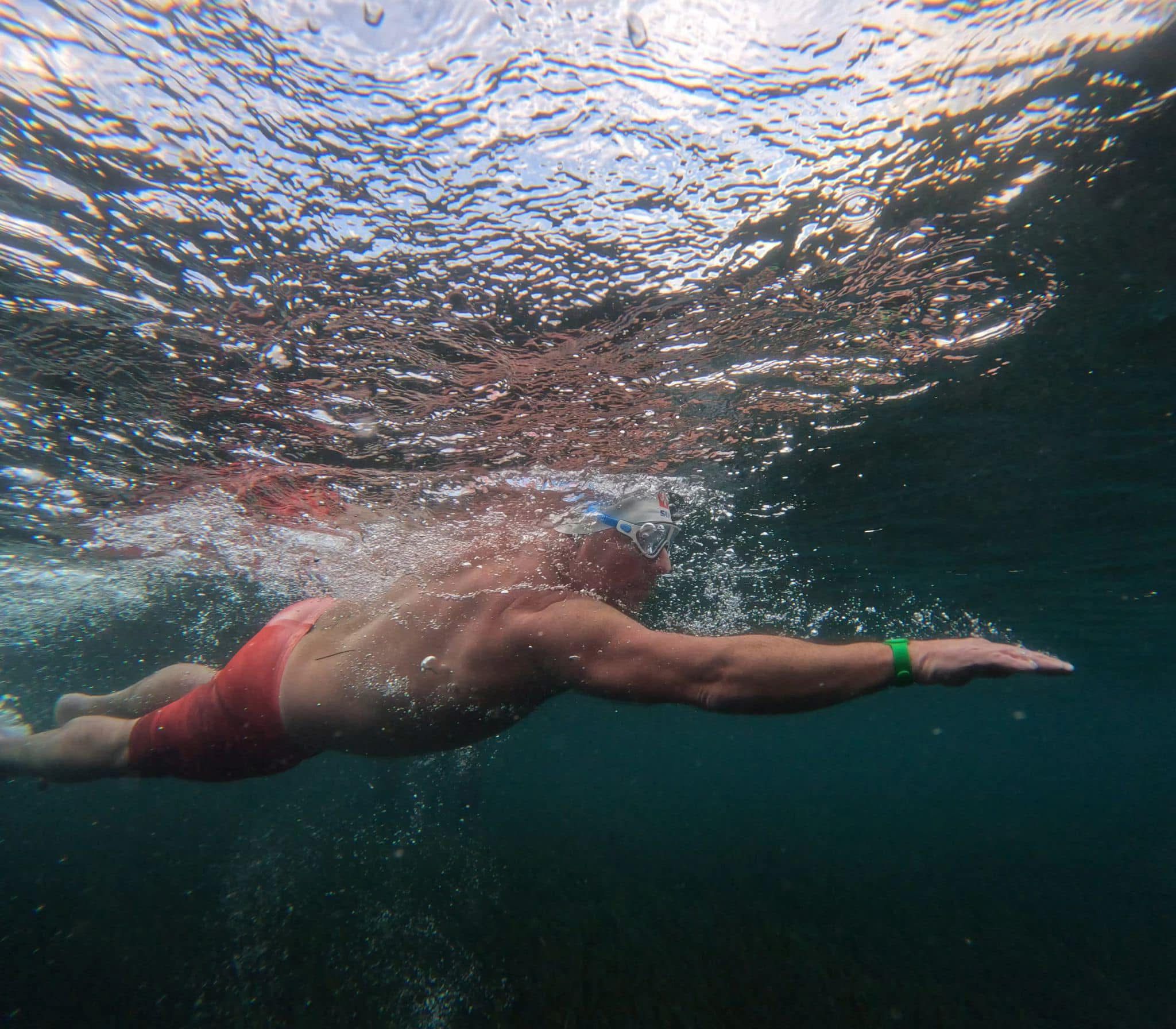
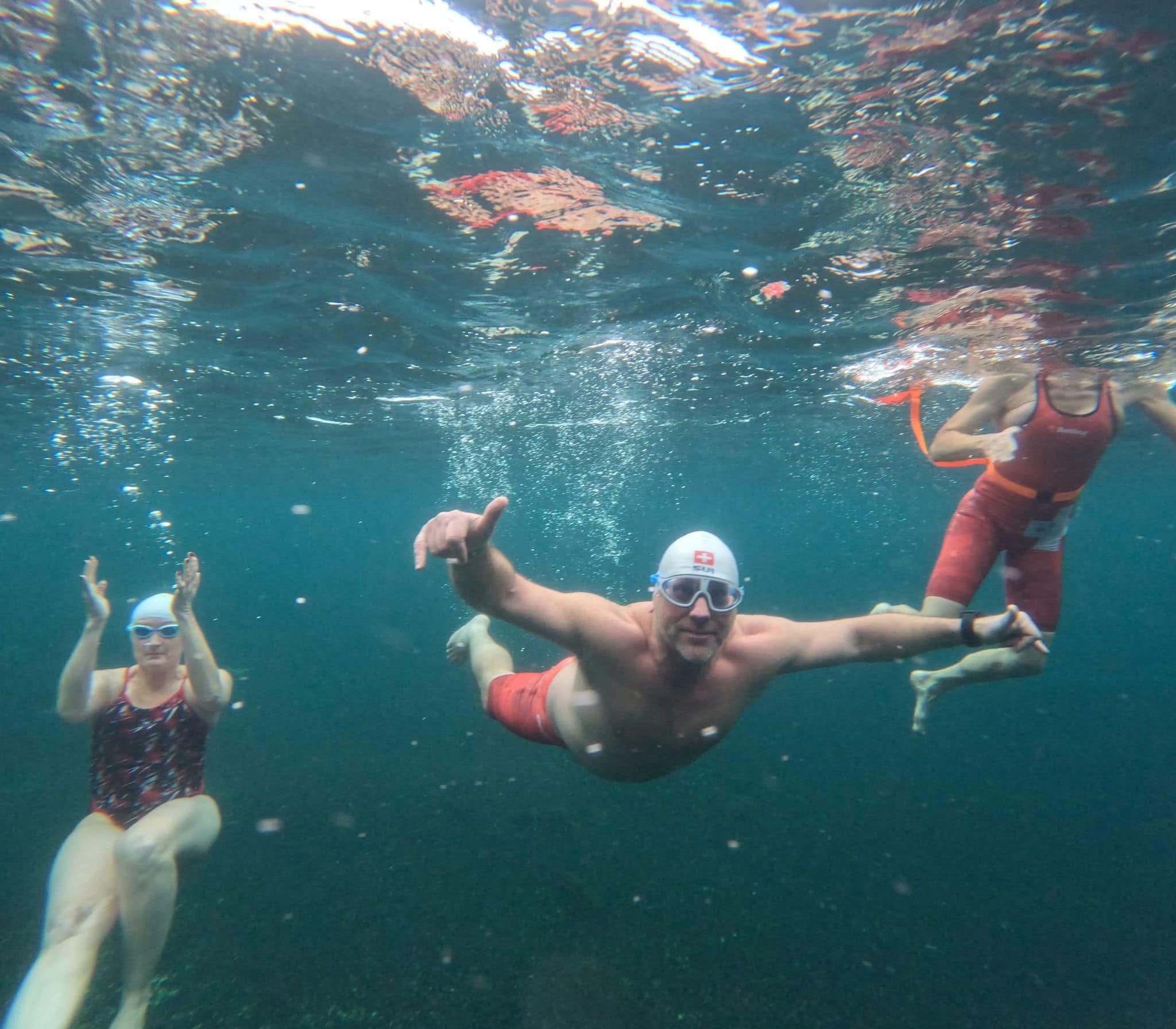
The Expedition Ahead
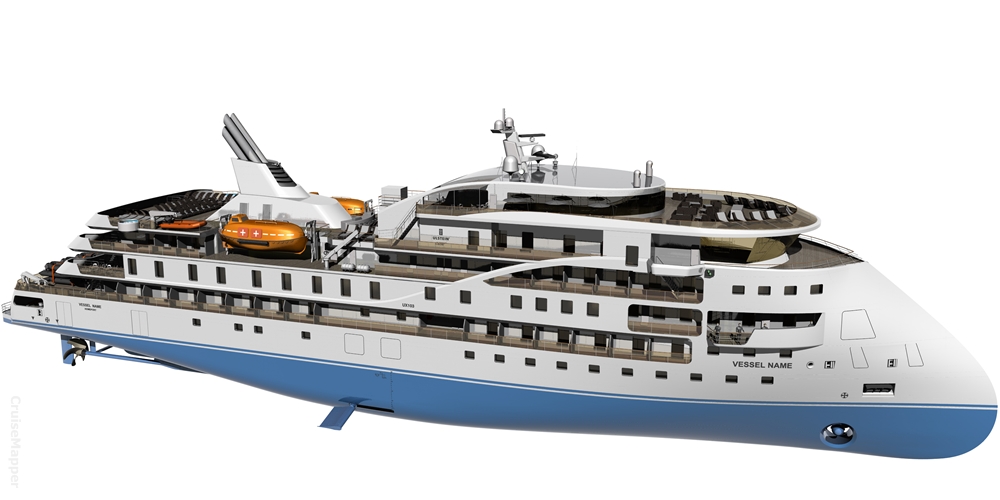
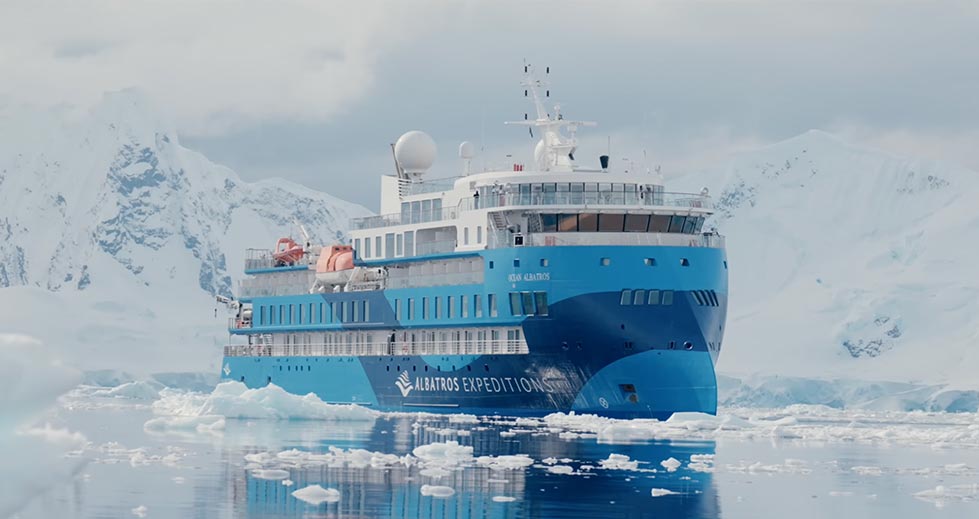
We’ll depart from Ushuaia, Argentina, on 28 February 2026 aboard the ice-strengthened expedition vessel Ocean Albatros, returning 11 March.
This isn’t just a swim trip — it’s a true polar expedition:
- Crossing the legendary Drake Passage
- Reaching the Antarctic Peninsula
- Conducting ice swims under International Ice Swimming Association protocols
- Strict safety, medical supervision, and controlled exposure windows
- Exploring glaciers, ice formations, and Antarctic wildlife
It’s an environment that demands humility. Antarctica doesn’t adapt to you — you adapt to it.
An Honourable Invitation
This opportunity came through an invitation from Ram Barkai, a pioneer of modern ice swimming. His work has helped create structured Antarctic expeditions where athletes can safely experience extreme cold-water swimming while respecting both the environment and the limits of the human body.
Being invited is both an honour and a responsibility. It means stepping into a space where preparation, respect, and awareness are essential.
What –2°C Really Means
At these temperatures, swimming becomes something very different from a typical endurance challenge.
Cold shock hits instantly.
Breathing must be controlled immediately.
Heat loss is rapid.
Muscles stiffen quickly.
You don’t conquer the cold — you cooperate with it.
It becomes a dialogue between body, mind, and environment.
That’s what makes ice swimming so compelling to me.
Part of a Bigger Journey
This Antarctic swim is also a crucial step toward my final Oceans Seven crossing — Japan’s Tsugaru Strait, planned for July 2026.
Six channels are already completed. One remains.
Antarctica feels like the ultimate proving ground before that last challenge. It sharpens focus, reinforces resilience, and reminds me why I started this journey in the first place.
An Honourable Invitation
This opportunity came through an invitation from Ram Barkai, a pioneer of modern ice swimming. His work has helped create structured Antarctic expeditions where athletes can safely experience extreme cold-water swimming while respecting both the environment and the limits of the human body.
Being invited is both an honour and a responsibility. It means stepping into a space where preparation, respect, and awareness are essential.
What –2°C Really Means
At these temperatures, swimming becomes something very different from a typical endurance challenge.
Cold shock hits instantly.
Breathing must be controlled immediately.
Heat loss is rapid.
Muscles stiffen quickly.
You don’t conquer the cold — you cooperate with it.
It becomes a dialogue between body, mind, and environment.
That’s what makes ice swimming so compelling to me.
Part of a Bigger Journey
This Antarctic swim is also a crucial step toward my final Oceans Seven crossing — Japan’s Tsugaru Strait, planned for July 2026.
Six channels are already completed. One remains.
Antarctica feels like the ultimate proving ground before that last challenge. It sharpens focus, reinforces resilience, and reminds me why I started this journey in the first place.

Ram Barkai
Expedition Leader
Extreme Ice Swimmer
Founder IISA
Ice Swimming Hall of Fame
All swims are done according to
the International Ice Swimming Association Rules (“IISA”)

More Than a Swim
After sixteen years, this moment carries deep meaning. It represents persistence, mentorship, friendship, and a long relationship with cold water that has shaped who I am as both an athlete and a person.
Standing on Antarctic ice before entering the water won’t just mark another swim.
It will mark the realisation of a vision that has quietly guided me for years.
And I’m ready.
— Toni